With a range of different battery chemistries used across consumer electronics, electric vehicles, industrial applications, and more, the specific characteristics and hazards of each battery type require tailored handling, packaging, and shipping methods.
Dangerous goods regulations provide strict rules for certain battery types to mitigate safety risks like fire and environmental contamination during shipment. At the same time, the sensitivity of batteries to damage or temperature fluctuations necessitates careful consideration of climate conditions, routing, and physical handling procedures.
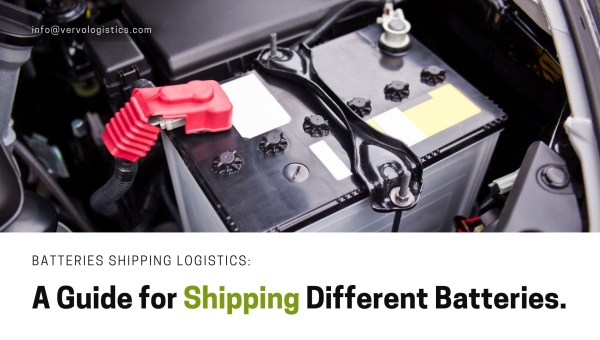
Battery shipping logistics must take into account weight, labeling and documentation, packed orientation, short circuit and contamination prevention, and more.
This overview examines key logistical factors for transporting major battery technologies, including lead-acid, lithium-ion, nickel-cadmium, nickel-metal hydride, alkaline, and button cell batteries.






 by vervo middle east for shipping and logisitcs services in the uae and ksa shipping company logistics solutions cargo services_thumbnail.jpg)









_thumbnail.png)