
We compiled below the 2024 major highlights across the GCC logistics and shipping industry that will continue to shape trends in 2025. Key headlines include:
1️⃣ Rising container shipping rates,
2️⃣ The UAE's rebound in crude oil exports,
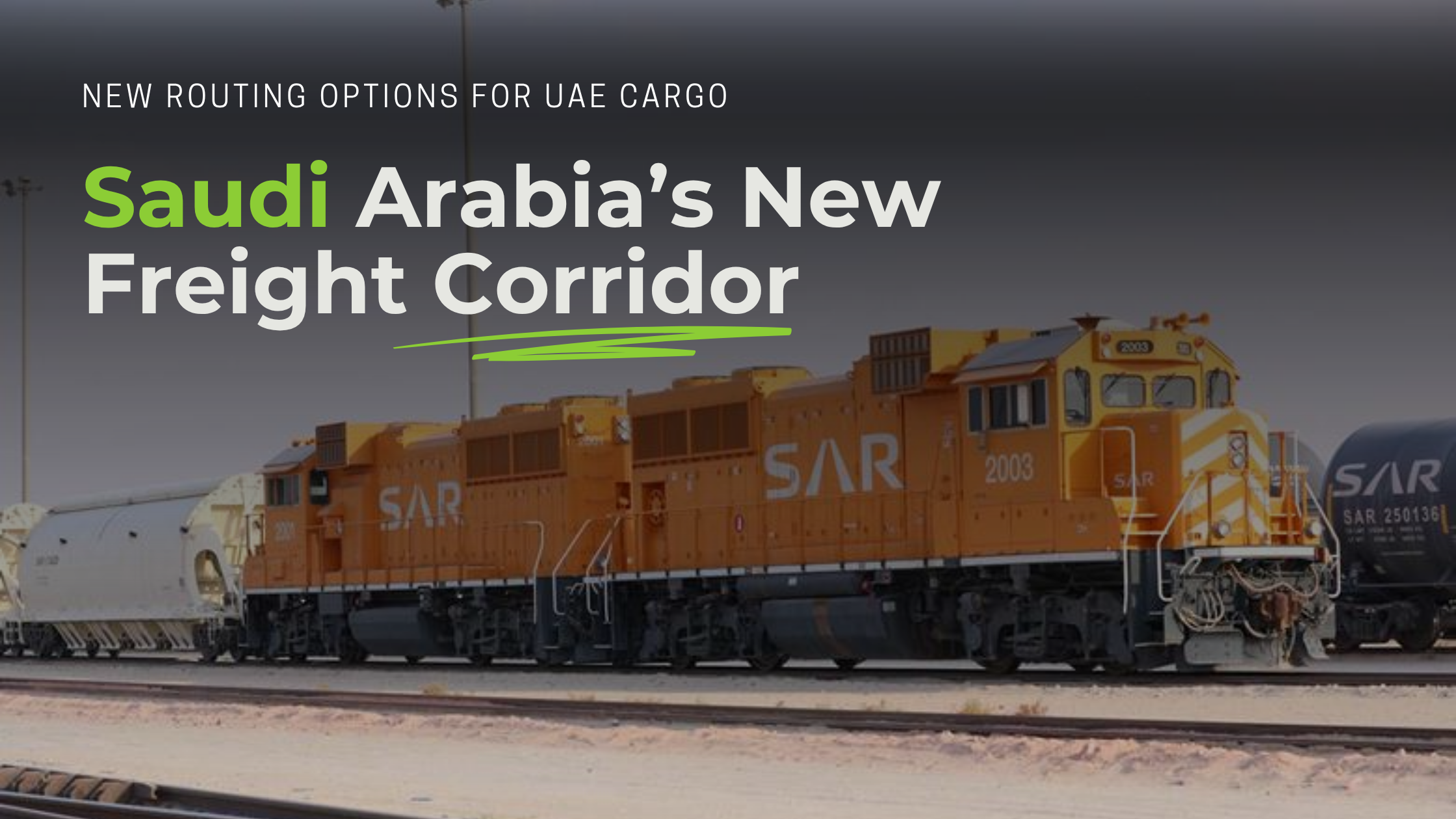
3️⃣ Saudi Arabia's to build 18 new logistics zones,
4️⃣ The launch of Dubai's first licensed drone delivery service,
5️⃣ New regional shipping route at Jeddah Port.
#1 Rising Container Shipping Rates
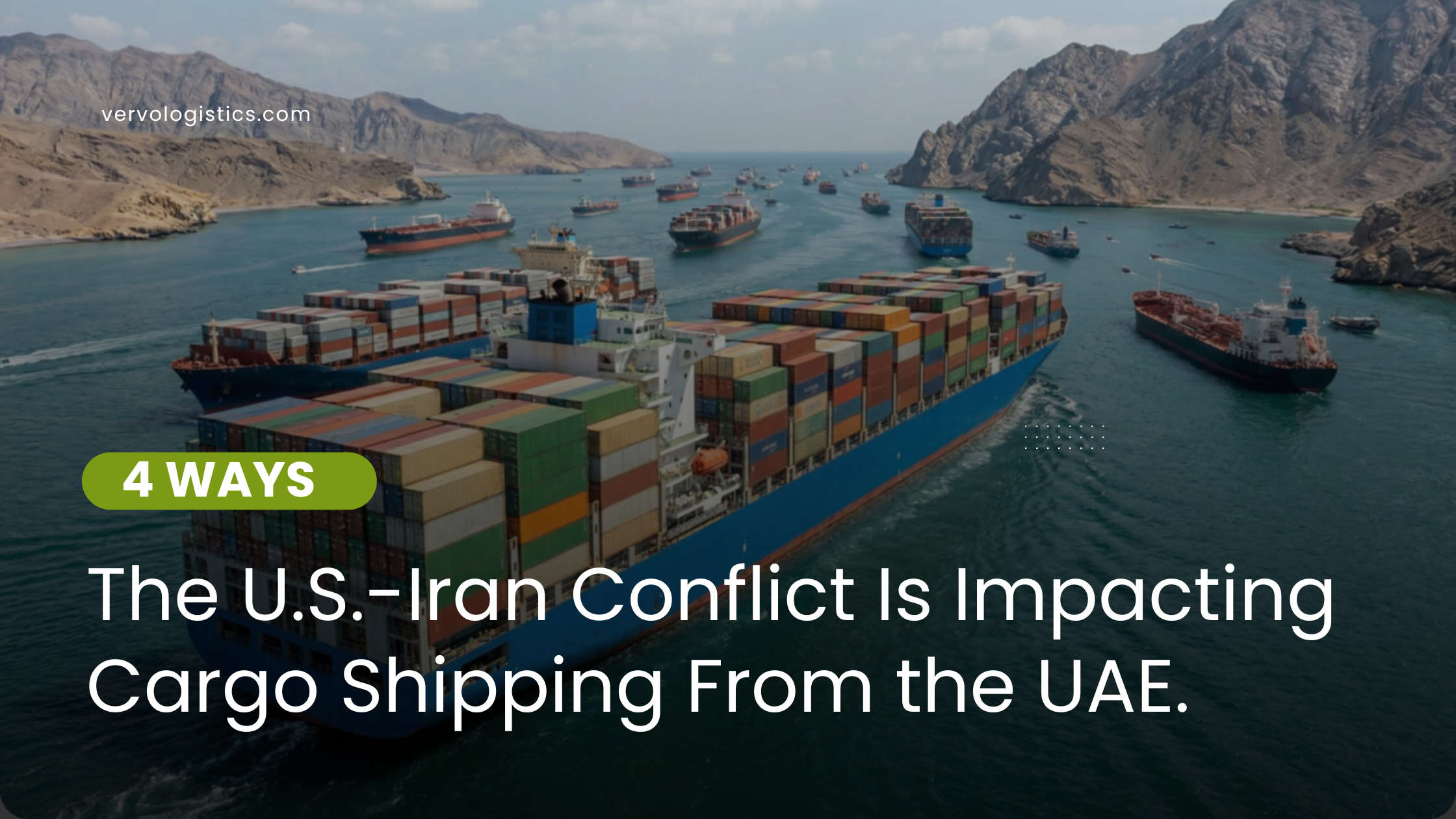
In 2024, the global shipping industry experienced an unprecedented price surge for shipping containers that caused major supply chain disruptions worldwide. A perfect storm of factors, including production declines in China, congestion and labor disputes at major ports like Singapore and Shanghai, and the ongoing situation in the Red Sea, led to severe container shortages and shipping cost increase.
With global demand keeps surging, spot rates for shipping containers from Asia tripled to over $6,000 on some routes and were projected to hit $10,000 per container. The dramatic price hikes reflected the significant supply-demand imbalances.
The container price surge of 2024 represented a highly impactful and turbulent event for global shipping and trade that year, causing major headaches for exporters, retailers, and other businesses dependent on affordable ocean freight. The prolonged impact of the 2024 container price crisis continues to disrupt the industry in 2025, too.
#2 UAE Crude Shipments Rebound on Asian Demand
The UAE remained a top global crude oil exporter in 2024, accounting for 6.7% of seaborne trade. Exports rose 2.5% year-on-year to 98.7 million tonnes between January and August compared to the same period in 2023, despite a seasonal dip in mid-year. It ranked as the Middle East’s third-largest exporter, following Saudi Arabia and Iraq. Besides the EU, the UAE primarily exports crude oil to key Asian markets, with China, Japan, ASEAN countries, South Korea, and India as major destinations. Most shipments in 2024 were shipped on VLCCs, while Suezmaxes and Aframaxes handled smaller volumes.
The UAE relies heavily on China as a major export market. China received 35.1 million tonnes in 2024, accounting for over 27% of UAE's crude oil exports - the highest volume. Japan, ASEAN, and South Korea followed, with volumes of 6-12 million tonnes. ASEAN made up over 25% of UAE exports. Japan accounted for 24%. The top 3 markets - China, Japan, and ASEAN - represented over 75% of total UAE crude exports in 2024. While China and ASEAN remained strong, India saw a notable drop in UAE imports last year. India, the EU, and Taiwan received smaller shares of 2-5 million tonnes annually.
The majority of UAE crude exports come from Abu Dhabi terminals like Zirku, Das Island and Jebel Dhanna, with smaller volumes from Dubai's Fateh and and east coast terminals. As highlighted, UAE exports are dominated by long-haul shipments to Asia. The 2024 rebound in the UAE's crude oil exports after the slight dip in 2023 reflects global market recovery and stable demand in Asia. We expect the same pattern to continue throughout 2025.
#3 KSA To Build 18 New Logistics Zones
As of December 2024, Saudi Arabia has announced investments exceeding $2.66 billion to develop 18 new logistics zones. The initiative was announced by Transport and Logistics Minister Saleh Al-Jasser during the 6th Supply Chain and Logistics Conference in Riyadh as part of the Kingdom’s Vision 2030 to position itself as a global logistics hub. The Kingdom aims to increase the number of logistics zones from 22 to 59 by 2030. Throughout 2024, Saudi Arabia has significantly improved its global trade competitiveness, gaining 231 points in the UNCTAD’s Liner Shipping Connectivity Index and adding 30 new maritime shipping lines.
Al-Jasser highlighted the Northern Train Line as a cornerstone of the Kingdom’s rail projects, connecting mining regions to eastern ports. Investments exceeding SAR 5 billion are underway to expand and improve this line, enabling efficient export and trade activities. KSA already offers several strategic advantages for investors. Minister of Industry and Mineral Resources Bandar Alkhorayef emphasized Saudi Arabia’s natural resources and abundant energy supply as key assets for its industrial sector.
The Kingdom’s location and strong domestic market, combined with Gulf nations’ high purchasing power, further enhance its appeal for investors in sectors like healthcare, pharmaceuticals, and food security. In 2025, we strongly anticipate a boom in the Kingdom’s logistics and shipping sectors.
#4 Dubai Approves First Licensed Drone Delivery Service
In December 2024, the Dubai Civil Aviation Authority (DCAA) issued the inaugural license for drone deliveries, with operations commencing at Dubai Silicon Oasis (DSO) using six drones. The inaugural delivery was made successfully by Crown Prince Sheikh Hamdan bin Mohammed al Maktoum.
Four delivery routes connecting key DSO locations have been set up, including the Rochester Institute of Technology-Dubai (RIT-Dubai), Dubai Digital Park, and Fakeeh University Hospital. These routes ensure swift delivery of high-priority items like medical essentials and emergency goods. By 2030, drone deliveries are projected to cover 33% of Dubai, according to Mohammed Abdulla Lengawi, Director-General of the DCAA.
#5 Mawani Adds “MRX” Shipping Route at Jeddah Port
The Saudi Ports Authority, known as Mawani, has announced the addition of a new shipping service called "MRX" operated by Milaha, a Qatar-based shipping company, to Jeddah Islamic Port. This new direct shipping route will connect Jeddah with major ports in the region including Mundra in India, Aqaba in Jordan, Sokhna in Egypt, and Jebel Ali in the UAE. Each MRX shipping voyage will have a capacity of 2,500 twenty-foot equivalent unit (TEU) containers.
This new shipping service aligns with Mawani's strategy of enhancing Saudi Arabia's connectivity to global shipping networks, improving operational efficiency at Saudi ports, and strengthening the Kingdom's links to international markets. It supports the National Transport and Logistics Strategy "NTLS" to establish Saudi Arabia as a global logistics hub linking Asia, Africa and Europe.