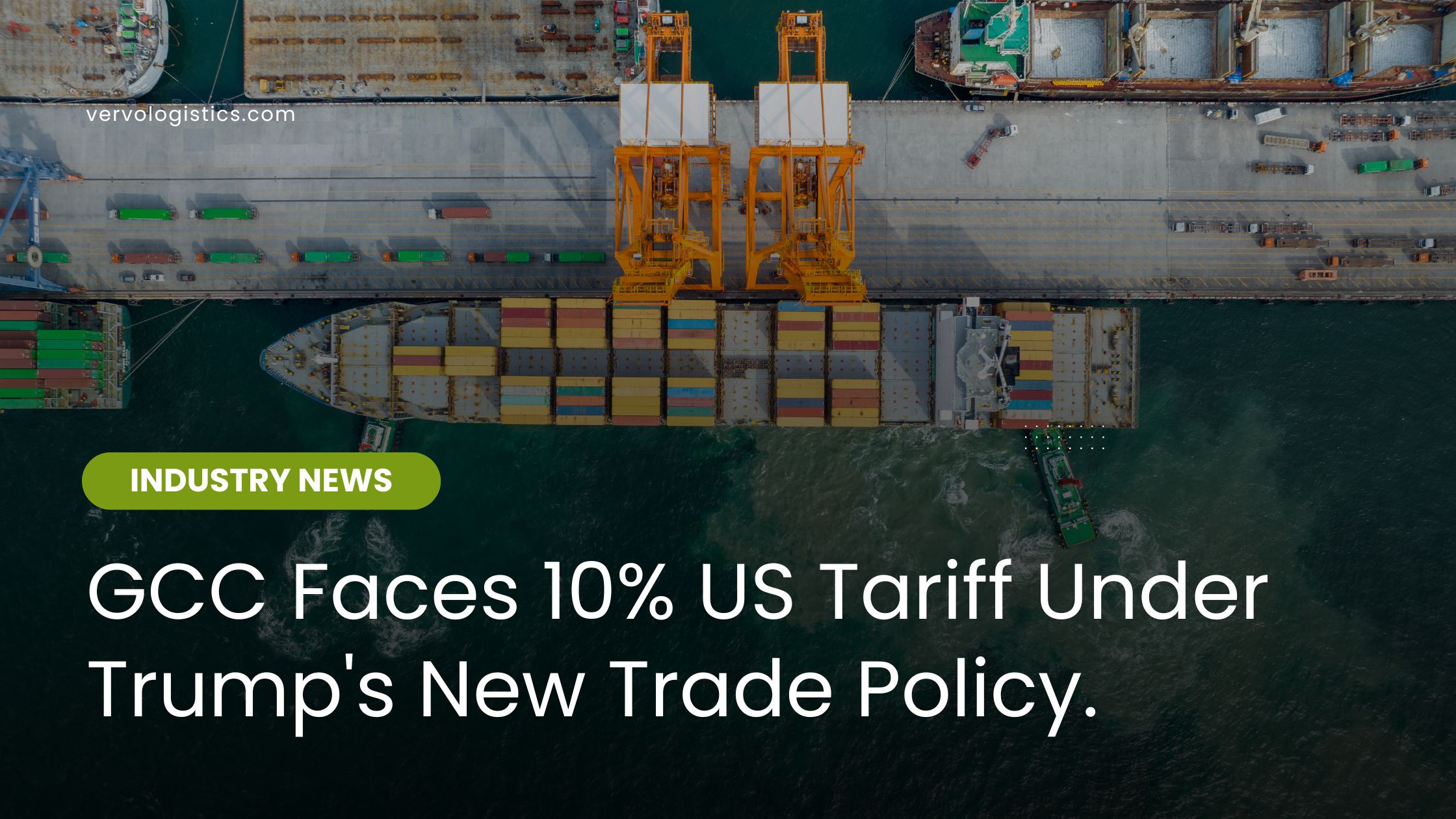
Gulf Cooperation Council nations will be subject to a 10 percent US reciprocal tariff under President Donald Trump’s revamped trade policy, part of a broader strategy to address what he described as longstanding unfair practices.
Although spared the steepest penalties imposed on other regions, the GCC economies are not immune to the potential consequences. Hamza Dweik, head of trading at Saxo Bank, highlighted that non-energy sectors in the GCC—such as electronics, automobiles, construction, retail, and consumer goods—are particularly vulnerable. “These industries rely heavily on imported goods, and the increased costs from tariffs could lead to higher prices for consumers and reduced competitiveness in the market,” he noted.
Dweik also warned of possible disruptions in the region’s financial services sector due to heightened global uncertainty, which could impact investment flows and regional financial markets.
Despite the oil and gas sector being exempt from the new tariffs, analysts say even the baseline tariff could trigger ripple effects across GCC supply chains—particularly in metals, chemicals, and industrial goods. “The uncertainty in policy and potential for rapid changes weigh heavily on global markets, including those in the GCC,” Dweik added. “The region’s focus should be on diversifying trade relationships and strengthening ties with unaffected regions to mitigate potential losses.”
Oil Exports Remain Protected
In a significant relief for GCC countries, the White House confirmed that oil and gas imports will remain exempt from the new tariffs. Given that oil and gas account for over 60 percent of Saudi Arabia’s exports to the US—and form the backbone of Gulf-US trade—this exemption shields the region’s most critical revenue stream.
Still, Dweik cautioned that a global economic slowdown stemming from escalating trade tensions could depress oil prices, indirectly impacting GCC economies. “The exemption helps mitigate some of these impacts, ensuring that the primary revenue stream remains relatively stable,” he said.
GCC Vulnerabilities and Indirect Risks
A February analysis by S&P Global Market Intelligence pointed out that Saudi Arabia and the UAE, with their currencies pegged to the US dollar, may be especially exposed to tighter monetary conditions. As the US Federal Reserve keeps interest rates elevated to curb inflation, the stronger dollar could erode GCC export competitiveness and strain trade balances.
In addition, any delay in infrastructure investment due to weaker oil prices could put pressure on the Gulf’s diversification agendas.
Shipping disruptions could further complicate matters. Global shipping giant Maersk has warned that rising trade tensions may increase logistics costs. This poses a particular threat to the GCC, which heavily depends on maritime trade for both oil and non-oil exports. While oil exports are shielded, sectors like aluminum, petrochemicals, and industrial goods may face indirect setbacks due to softer global demand and elevated freight charges.
Equity Market Reaction
Regional equity markets across the GCC responded cautiously to the tariff news. The Saudi Tadawul All-Share Index dropped 0.61 percent, while the UAE's Abu Dhabi and Dubai indices fell by 2.86 and 2.64 percent respectively. Oman’s Muscat Stock Exchange declined 0.76 percent, and Bahrain’s All Share Index slipped 0.50 percent. In contrast, Qatari markets showed resilience, posting modest gains possibly due to confidence in the country's diversified trade structure and limited direct exposure to US policy shifts.
Market analysts noted that even though oil exports are exempt, investor sentiment was weighed down by the broader implications for non-oil sectors.
GCC Steps to Navigate Trade Tensions
According to a March report by PwC, newly announced US tariffs on aluminum and steel will apply to all countries, including the UAE, Bahrain, and Oman, potentially nullifying existing trade advantages. The report urges Gulf exporters to proactively assess their exposure, re-evaluate trade classifications, and utilize tools like free trade zones and customs optimization strategies.
It also emphasizes the need for companies to bolster trade compliance, digitize supply chains, and explore new markets to minimize dependency on US trade.
With the global trade landscape shifting toward protectionism, PwC concludes that Gulf exporters can no longer afford a passive “wait-and-see” approach.